



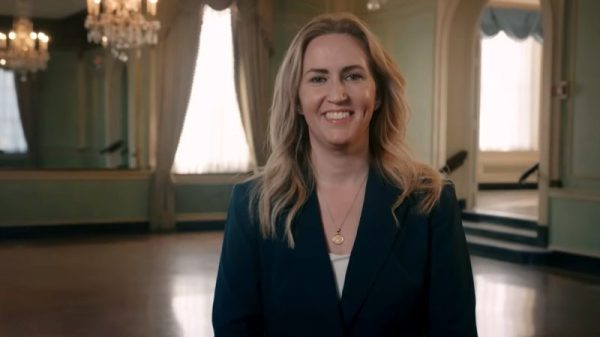


Justine Wilson thought she wanted to be a veterinarian, but in college she discovered she was more interested in activism and community education. After graduation, she worked at a nature camp that led classes for teachers and their students during the school year. “I would have a little group for 2 ½ days, and that wasn’t enough,” she recalls.
Then she got a job at a science school where she had kids for a full week. “We did all the science that the public school needed to check off all the science boxes for the whole year in one week. And then they would go home and never do science again, which was so sad,” she says. Justine says the principal there was excellent. She learned a lot there about kids and teaching, and she loved being in the beautiful outdoors. But she wanted more time with the kids.
After receiving her master’s in education in a program that embraced unconventional education, she realized, “I could be a teacher in a classroom if I were a teacher in a classroom like this.” She began teaching fifth grade at a small, rural public school in Colorado, with a lot of freedom. But over 17 years in conventional schools, including time overseas, she kept moving further from what she believed in. She watched neurodivergent kids get labeled as having behavior problems—and even found herself doing it.
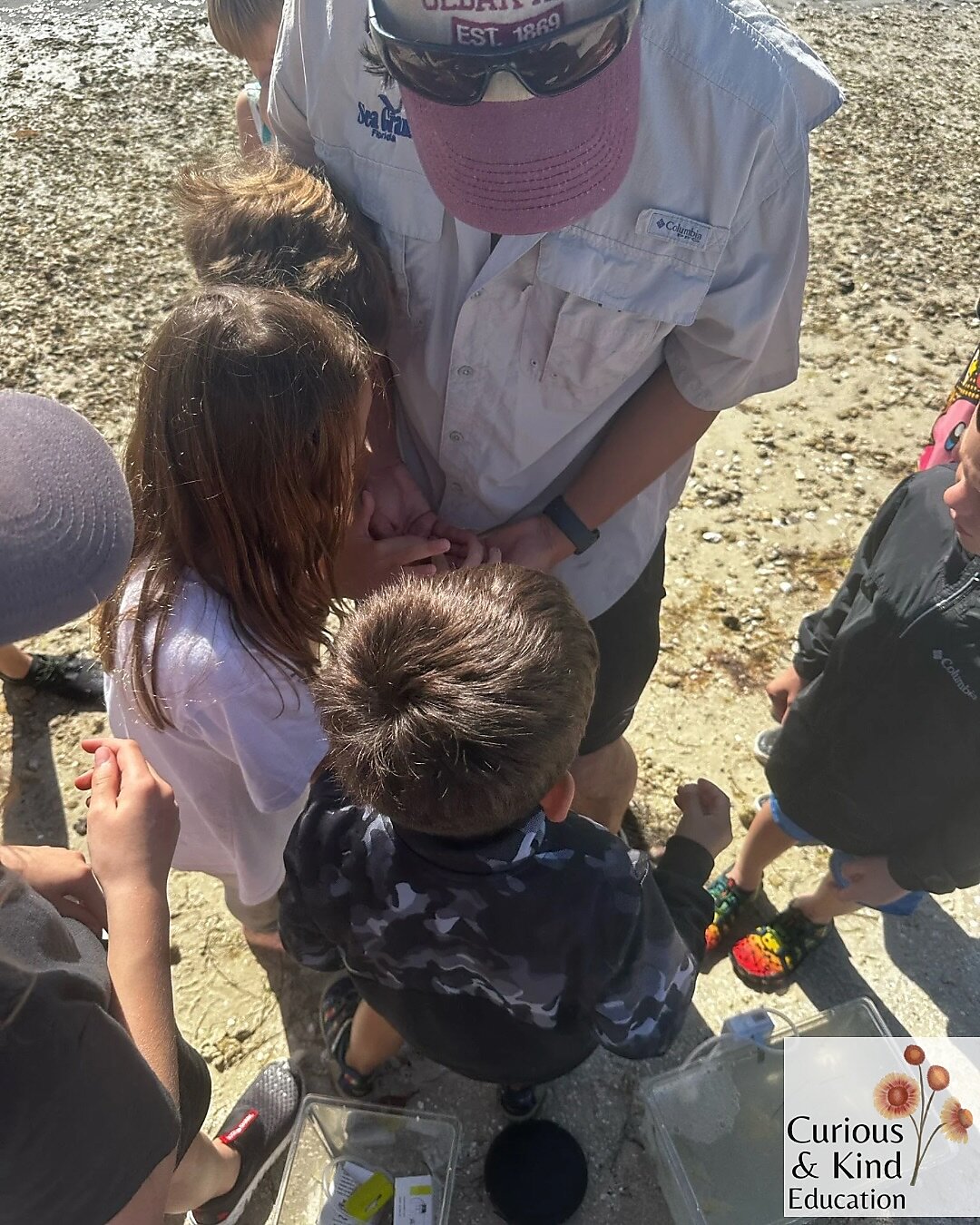
Justine says she took a break to “align my head and my heart,” and she started questioning what “student-led” and “student-centered” really mean. “Those words are used in the conventional education system all the time. And I don’t think it’s real,” she says. She started exploring self-directed education and thinking about what she really wanted and thought was best. “That’s when I blended forest school with agile learning centers, and out came Curious and Kind,” she says.
Curious and Kind opened in May of 2023 with 16 kids, and there are now over 100 kids across four programs—forest school, nature stay and play for preschoolers, a two-day-a-week teen program, and creative and critical thinking mini-courses—as well as summer camp. “It’s just blossomed, and the community has responded so well,” says Justine. “The reason we have four programs is because the community keeps asking for things.” If it fits in her mission, she tries to fulfill those needs.
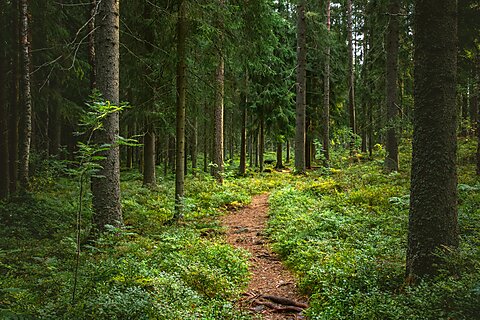
The forest school, open to homeschoolers aged 5–12, runs five days a week on five acres rented from a church—about two acres of forest, plus a small house. “No one can come more than three days because I wanted to clearly draw the line,” Justine explains. “You’re a homeschooler, which means your family is taking responsibility for your education. But we are partners.
Days start at 9:00 a.m. with free play, then a morning meeting around 9:15. They review a social-emotional learning word of the week—they’ve identified ten they cycle through. Then adults and children collaborate to decide what they’ll do that day. Each morning and afternoon, one facilitator will offer a planned activity. Other facilitators support the kids in activities they want to do.
“We follow an emergent learning philosophy, and it’s totally self-directed. So the kids play all day long. But what they play, depending on what you call academics, could be academics,” says Justine. “There’s storytelling, there’s imaginative play, and they’re using descriptive language all day long, which I call language arts. We read books to them. They can read books on their own if they want. We research things.”
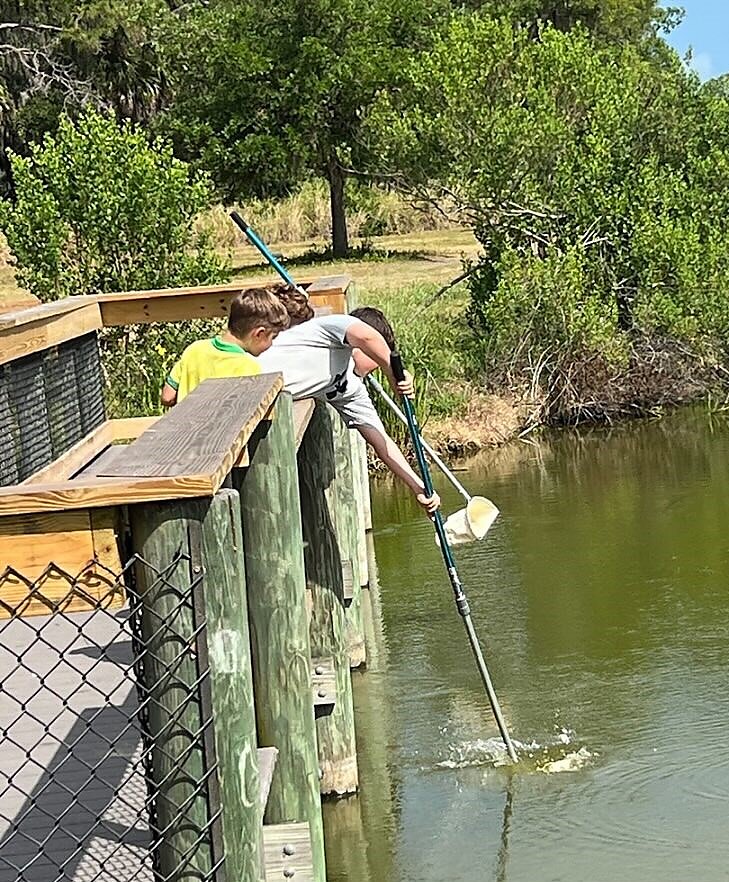
Similarly, they learn science by doing. “Physics is happening all the time. They do boats in the creek, you know, out of variety of materials. They hang rope swings, they build bridges,” Justine explains. “So academics emerges, but it’s not explicitly taught or mandated.”
In the first year, a 12-year-old asked what she’d be able to do the following year when she was too old for the forest school. “I was like, ‘Well, what do you want to do?’” says Justine. “She became a teen facilitator for our forest school. She got a walkie-talkie, and she would lead offerings just like anyone else.” She even participated in the planning meetings. Before long, she asked to form a teen program. “We now have 11 teens in a project-based, self-directed learning community,” Justine adds.
Florida’s school choice programs have made Curious and Kind sustainable, but Justine didn’t even know about the funding when she started. “I was literally following my heart, and it was just like a happy coincidence that there’s all this money for homeschoolers here.” She’s now a direct provider after doing reimbursements the first year.
Justine has helped others open similar programs in her area and beyond. “I have an abundance mindset,” she says. The scholarship funding means there are more families who want this type of education than any one program can serve.
Relationships and building community are the most important things to Justine. “We are super clear with our mission and vision, and we hold it tightly, and we communicate it very clearly. And that builds trust,” she says. “When kids are dropped off in our care, the families have to have trust in you.”