




The end of the penny was a long time coming. Yet, the Federal Reserve is causing unnecessary harm by refusing to distribute existing pennies—135 out of 192 coin distribution centers have halted penny distribution. In doing so, the Federal Reserve is forcing many Americans to relive the COVID-19 Coin Shortage. Making matters worse, the Treasury has yet to offer any formal guidance for businesses as they see less and less of the penny.
Halt Production, Not Circulation
There are two factors to consider here: production and circulation. Back in February 2025, President Donald Trump instructed the US Mint to stop producing new pennies. From an economic standpoint, the decision is sound. Each penny produced costs taxpayers 3.69 cents (Table 1).
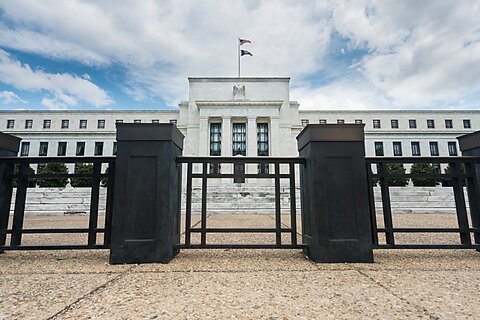
However, halting production and halting circulation are two different things. Instead of letting the penny phase out naturally, the twelve regional Federal Reserve banks have decided to suddenly stop accepting and redistributing pennies. Across the country, 135 of the 192 distribution locations have stopped circulating pennies (Table 2).
These locations are where banks and credit unions go to pick up coins, but not all of these coins are freshly delivered from the US Mint. Other banks and credit unions often deposit coins when they have too many. Because of that, these locations acted not just as a pickup point for new coins but also as a hub for recirculation. However, the Federal Reserve says these locations are no longer circulating pennies because they do not have enough inventory.
That argument may sound reasonable given that new pennies are no longer being produced, but it’s also questionable. Many of the distribution centers stopped circulating pennies well before the last penny was minted in November 2025. Furthermore, the Federal Reserve didn’t just stop circulating new pennies. It also stopped accepting existing pennies. Back in October, the American Bankers Association warned that “This policy is accelerating the slowdown of penny circulation drastically.” However, their warning went ignored. The Federal Reserve has since doubled the number of closed locations.
In many ways, the current penny pinch resembles the COVID-19 Coin Shortage. There are plenty of pennies in the country—around 250 billion—but the problem is that they are not getting to where they need to be. During the pandemic, the problem was that people were locked down under quarantine. Today, the problem is that the Federal Reserve locked down the main hubs for recirculation.
A Lack of Common Cents
Making matters worse, the Treasury has yet to issue any sort of official guidance on what to do moving forward. The Treasury should not force businesses to respond one way over another, but it should provide an overview of what options are available under existing law. Although monetary economists are likely familiar with the options, most Americans are probably unfamiliar with concepts like Swedish rounding or rounding taxes.
Yet, the closest Americans got to this guidance was a statement on background to the Wall Street Journal. Senator Elizabeth Warren (D‑MA) and Representative Maxine Waters (D‑CA) later sent a letter requesting immediate guidance, but the Treasury has yet to respond publicly. As the two lawmakers explained, one area of particular concern lies with existing laws that prohibit rounding transactions.
California, Connecticut, Illinois, Massachusetts, Minnesota, and other states have laws placing restrictions on pricing. In theory, a business could get around this issue by posting a cash price and a card price side by side. However, sales taxes complicate matters and open the door for further rounding at the register that could then violate the law.
The lack of guidance is also troubling in Colorado, Massachusetts, New Jersey, and Rhode Island where state policymakers have made it illegal to refuse cash. Cities like New York City, Philadelphia, San Francisco, and Washington, DC have similar laws. While most businesses will likely be happy to receive pennies amidst the shortage, the real question is what happens if they can’t make change.
Absent a federal rounding safe harbor or preemption, businesses are being forced to navigate conflicting legal obligations.
Conclusion
The Federal Reserve has grown far too large, and often at the cost of displacing the private sector. However, these services should be wound down over time so alternatives can take their place. The Treasury should also take a lesson from Canada’s elimination of the penny and offer real guidance so people know what to expect moving forward.
Are you curious about coin shortages? Check out my past article in the Cato Journal about the COVID-19 Coin Shortage.