







The Centers for Disease Control and Prevention (CDC) Advisory Committee on Immunization Practices (ACIP) decided on December 5 to update the CDC’s current guideline for immunizing newborns with the hepatitis B vaccine, now recommending it only if the mother tests positive for hepatitis B, not if she tests negative, as it has recommended for the past 30 years.
The decision was not unanimous. Three of the 11 committee members voted against the new recommendations. One, Dr. Cody Meissner, a professor of pediatrics at Dartmouth School of Medicine, said before the final vote:
“The hepatitis B vaccine recommendation is very well established. We know it is safe, and we know it is very effective. We will see more children and adolescents and adults infected with hepatitis B.”
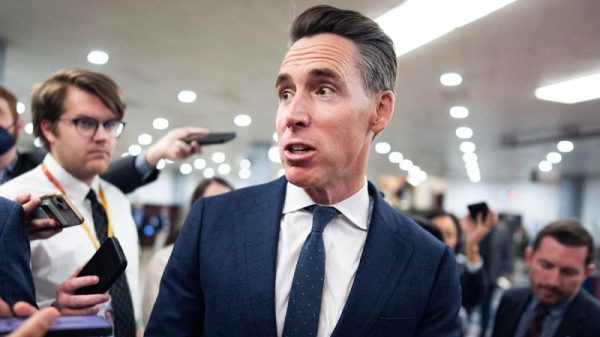
Many professional medical and public health organizations oppose the decision, including the American Academy of Pediatrics, the American Public Health Association, and the American Pharmacists Association, as well as numerous clinical researchers and medical specialists. One specialist opposed to the new guidelines is William Cassidy, MD, a hepatologist and gastroenterologist and Chair of the Senate Health, Education, Labor, and Pensions Committee.
As a general surgeon, I understand the issues being debated, but I don’t have enough expertise to weigh in. My advice to readers is to consult one or more trusted health professionals, ideally those with expertise in pediatric and infectious diseases, consider the risks and benefits, and make an informed decision.
This episode highlights a deeper institutional problem. As I have written previously,
Members of the medical and scientific community who have long supported an active government role in health issues likely never expected that a controversial figure like Robert F. Kennedy, Jr.—who has often made unsubstantiated claims about vaccine safety, environmental toxins, and food additives, and has fueled public fears leading to a drop in childhood vaccination rates—would become the leader of the country’s public health system.
This underscores why, as I have argued, Congress should return the CDC to its original purpose: being a focused partner that assists states in tracking and controlling infectious diseases. The federal government should leave medical and scientific debates to scientists and clinicians. By involving itself in these debates, the CDC fosters the impression that there is a single “right answer” to complex, nuanced questions.
If there’s a silver lining, it’s that controversies like this may finally encourage clinicians, researchers, and patients to rely less on federal pronouncements and more on diverse, independent medical expertise.